For a long time, Windows 11 has felt like an operating system moving in Microsoft’s preferred direction rather than in the direction many users actually wanted. That may finally be changing. Microsoft is now signaling a more grounded approach to Windows 11, one that puts user choice, everyday performance, and reduced friction ahead of aggressive feature pushing.
The biggest takeaway is simple: Windows 11 may be entering a phase where practical improvements matter more than flashy additions. Instead of forcing new experiences into every corner of the OS, Microsoft appears ready to refine the core experience and give users more control over how Windows behaves.
How Windows 11 User Feedback Is Changing the Platform
Microsoft’s latest messaging makes it clear that the company has been paying attention to long-standing complaints from the Windows community. Rather than treating feedback as background noise, it is now framing several upcoming changes as direct responses to what users have been asking for.
That matters because Windows 11 has often been criticized for limiting customization, overcomplicating updates, and pushing AI features too aggressively. If Microsoft follows through, the next wave of improvements could make the OS feel more flexible, less intrusive, and easier to live with on a daily basis.
A More Customizable Taskbar Is a Big Deal
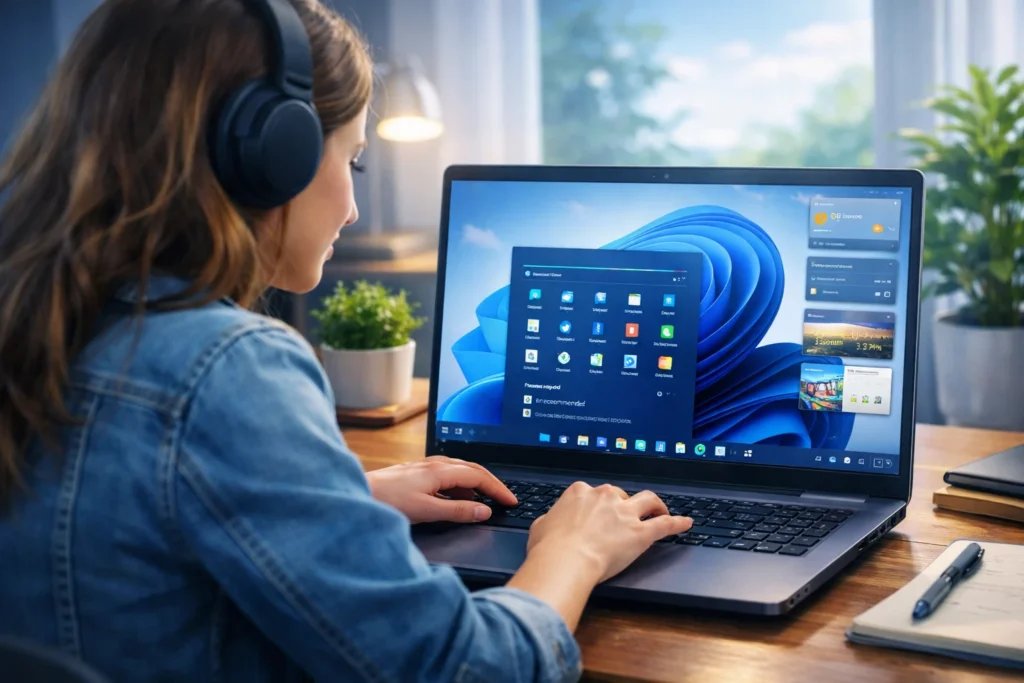
One of the clearest signs of this shift is the return of deeper taskbar customization. For many users, the inability to move the Windows 11 taskbar has been one of the most annoying design restrictions in the OS.
That is now set to change. The ability to reposition the taskbar is a meaningful quality-of-life improvement because it restores a level of freedom that power users and long-time Windows users have wanted back for years. It may seem like a small adjustment, but in practice it says a lot about the direction Microsoft is taking.
Microsoft Is Taking a More Careful Approach to AI
Another major change is the tone around Copilot and AI integration. Microsoft is not abandoning AI, but it is becoming more selective about where and how these features appear inside Windows.
That is an important distinction. AI can be useful when it solves a real problem, but users tend to push back when it feels forced or unnecessary. A more restrained approach suggests Microsoft understands that AI should improve the experience, not dominate it. If Windows 11 becomes less cluttered by AI entry points and more focused on useful implementation, that alone will be a welcome improvement.
Windows Updates May Become Less Annoying
Few parts of Windows generate more frustration than update behavior. Unexpected restarts, nagging prompts, and update-related interruptions have been a recurring pain point for years.
That is why any move toward quieter and more predictable updates matters. A smoother setup process, more flexibility around installing updates, and fewer disruptive prompts would make Windows 11 feel more respectful of the user’s time. It would also address one of the most common complaints people have about the platform.
Core Features Are Getting Attention Again
Microsoft also seems to be refocusing on the parts of Windows people use every day. That includes the overall reliability of File Explorer, the way users move through files and folders, and the general smoothness of routine tasks.
This is the kind of work that rarely makes for dramatic headlines, but it often has the biggest impact on real-world satisfaction. Faster launches, fewer visual glitches, and more dependable performance can do more for the reputation of Windows 11 than another headline-grabbing feature ever could.
The same idea applies to widgets and feed experiences. Users generally respond better when those surfaces are relevant, quiet, and easy to control instead of feeling like distractions layered on top of the desktop experience.
Microsoft Also Needs to Rebuild Trust
Features alone are not the whole story. Microsoft also appears to understand that it needs to improve the relationship between the company and the Windows community.
That is where changes to the Windows Insider Program and Feedback Hub become important. If users are going to test features early and provide feedback, they need to feel that the process is clear, transparent, and worth their time. Better communication, better build quality, and a clearer sense that feedback actually influences decisions could make the Insider ecosystem far more credible.
Promising Direction, but the Real Test Comes Later
There is still one important caveat: this is a roadmap, not a final result. Announcing better priorities is easier than delivering a consistently better operating system to millions of users.
So while the direction looks promising, the real test will come when these changes move beyond previews and start shaping the stable Windows 11 experience. If Microsoft can turn these promises into a faster, quieter, and more customizable OS, it will be a meaningful win for users.
Right now, the most encouraging sign is not that Microsoft is making Windows 11 more ambitious. It is that the company may finally be making it more practical. And for many users, that is exactly what Windows has needed.