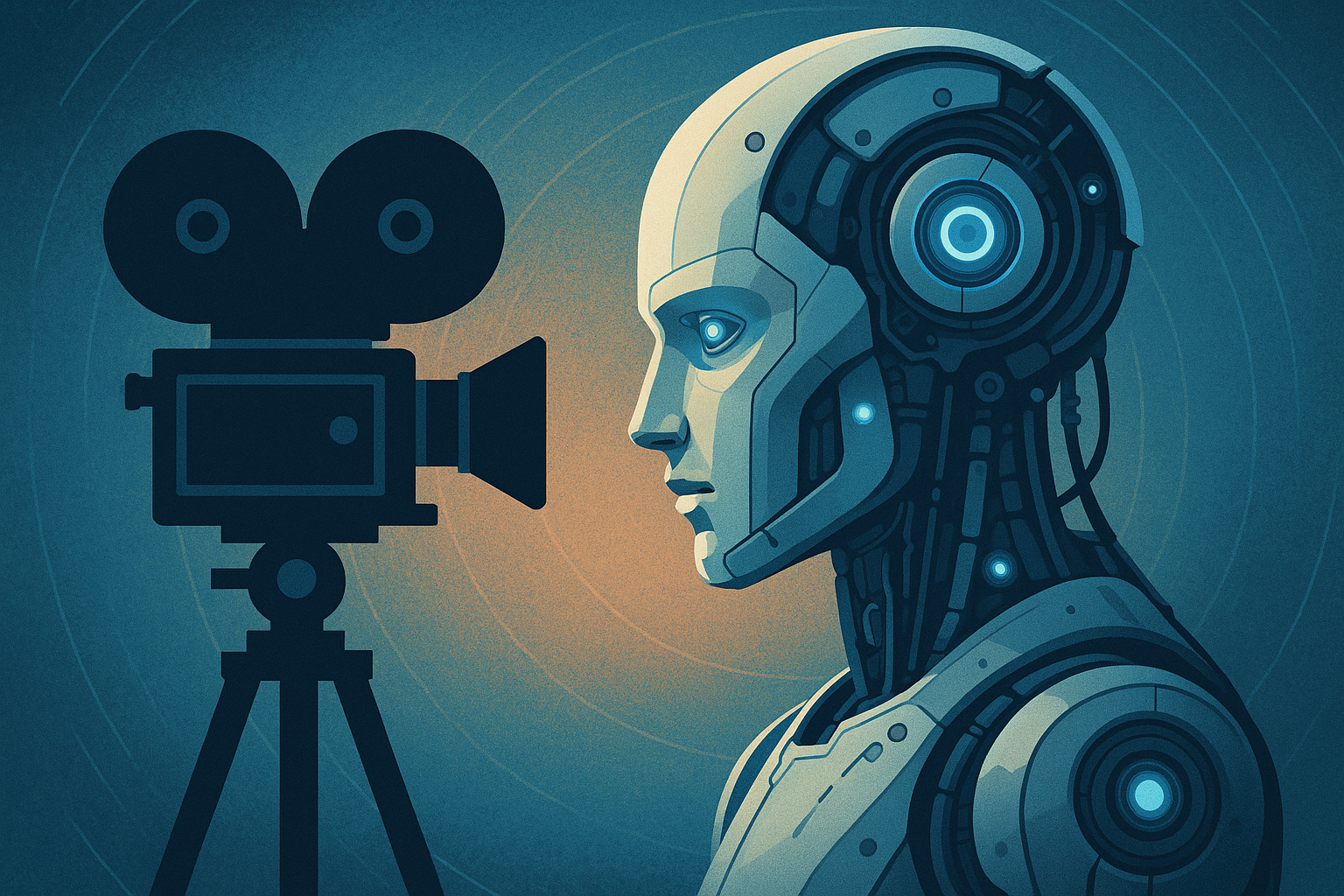
Mid-career professionals and seasoned leaders in the older workforce are feeling the same punch to the gut: automation is reshaping jobs faster than résumés can keep up. The career change challenges aren’t just logistical; they’re emotional, identity whiplash, shaky confidence, and the quiet fear of becoming “obsolete” in a world that loves new tools more than old titles. At the same time, staying put can feel like betting a whole livelihood on someone else’s roadmap. This is about trading panic for purpose and aiming for AI-resilient careers that still reward human judgment.
What Makes Work AI-Resistant, Really?
Good news: “AI-resistant” isn’t code for “learn to code.” It means work where the value comes from human judgment, trust, and context, not just speed. Your secret weapon is transferable skills plus emotional maturity and lived experience that AI cannot fake.
Why it matters: you’re not restarting at zero, you’re cashing in your earned advantages. When you name your strengths clearly, you target roles that still pay for empathy, communication, and calm decision-making. You also stop chasing every trend, even as AI skills surge in value.
Think of it like switching sports, not relearning how to move. A former manager moving into patient support brings de-escalation, coaching, and accountability on day one. The tools change, but the human moments stay. With that mindset, a practical reskilling route into healthcare starts to feel doable.
Follow a Real Path: Online Study to Nursing Advancement
If AI-resistant work is the kind that leans on trust, judgment, and real human presence, then healthcare is a very real place to plant your flag. Earning an online degree can be the bridge from “I’ve got decades of experience” to “I’ve got the credential to match it”, without forcing you to hit pause on your life to sit in a classroom at 2 p.m. on a Tuesday. That flexibility matters for mid-career and older professionals: you can stack specialized knowledge onto what you already know, build confidence as you go, and step into a people-first field with more stability in an automated world.
One concrete example: an RN-to-BSN degree program lets licensed registered nurses level up with advanced nursing skills, plus leadership and healthcare policy know-how, exactly the kind of human-centered muscle that doesn’t get outsourced to a chatbot. If you want details on what that path can look like, here’s a good explainer.
Run a 20-Minute Skills Inventory, Then Pick a Field
Your future job isn’t hiding in a personality quiz. It’s hiding in plain sight, in the stuff you already do well. Motto for this move: name it, test it, then choose it.
- Do a 20-minute “3-column” skills inventory: Set a timer and make three lists: Tasks I do well, Problems people bring me, Moments I felt useful. Circle the repeats (explaining things, calming chaos, fixing what’s broken, organizing people) because repeats are your transferable skills in disguise. Keep it real: write verbs, not job titles.
- Translate your experience into skills receipts (not job duties): For your top 5 repeats, write one proof line each using this formula: Action + tool + outcome + skill. Example: “Coached new hires using checklists; reduced errors; shows training and communication.” A LinkedIn survey suggests 85% of career success ties to transferable strengths like collaboration and communication, so stop underselling yours as “just” people skills.
- Score career paths with a simple 5-point rubric: Pick 4 fields to compare (healthcare, education, skilled trades, counseling) and rate each 1–5 on: training time, cost, schedule fit, human interaction level, local demand. Total the scores and choose the top two to explore, not the “perfect forever” option. This mirrors the nursing path logic: stack online learning with local, real-world practice so your life doesn’t explode while you retrain.
- Match your “people pattern” to a human-centered lane: Use your circled repeats to pick a lane on purpose:
- If you like steady, meaningful routines, explore healthcare roles that ladder up (patient-facing support, then credentials later).
- If you love explaining and patience, education careers (paraeducator, adult ed support, tutoring) may fit.
- If you like tangible results, skilled trades opportunities (apprenticeships, maintenance, installation) reward reliability and troubleshooting.
- If you hold space well, counseling-adjacent paths (peer support, case management) can be a stepping-stone toward the counseling profession.
- Run two “tiny experiments” in 10 days: Choose one experiment per top field: 1 informational interview, 1 job-shadow/volunteer shift, or 1 intro class/workshop. Go in with three questions: “What does a normal Tuesday look like?”, “What’s hardest at month 3?”, “What would you learn first if starting over?” Your goal is evidence, not vibes.
- Create a training-and-money mini-plan before you commit: Sketch the “bridge” the way adult-friendly nursing routes do: what can be learned online, what requires hands-on hours, and what schedule you can actually sustain. Write your ceiling budget (tuition, fees, reduced hours) and your floor needs (rent, food, dependents) so you can pick programs that fit your reality. Clarity now saves panic later.
Career-Change Questions People Actually Ask
Q: What if I’m “too old” to switch careers and AI makes it worse?
A: You are not aging out, you are leveling up. The fact that baby boomers and Gen X make up 46% of the workforce means employers already rely on experienced adults. Lead with outcomes, not years: a tight resume summary plus two proof stories beats a birthdate.
Q: How can I retrain without blowing up my schedule?
A: Pick training that stacks: short online modules plus one hands-on block you can plan around. Protect two weekly time slots like appointments, and tell your household the new rule. Consistency beats heroic weekends.
Q: Can I afford a career change if I have debt or dependents?
A: Yes, if you treat money like a constraint, not a verdict. Since 4 in 10 workers report debt affects career choices, start with a “bridge budget” and choose low-cost experiments before tuition.
Q: Should I worry about age bias in hiring?
A: Plan for it, do not personalize it. Use modern keywords, show recent tools you have touched, and collect references from fresh projects. A portfolio sample or volunteer win can shortcut assumptions fast.
Q: What if I’m burned out and can’t handle starting over?
A: Burnout is data, not weakness. If you have been hitting high levels of burnout, choose a path that reduces your biggest drain first, like hours, chaos, or constant conflict. Make the first goal “stability,” then build from there.
Claim Your Future-Proof Career with a Motto and One Move
AI impact on employment is real, and it can make a later-life pivot feel like betting your stability on a moving target. The way through isn’t panic-retraining or pretending age doesn’t matter, it’s a calm, future-proof mindset that leverages professional experience and interpersonal wisdom as the advantage they are. Do that, and confidence in a career pivot stops being a pep talk and starts becoming a pattern: choose, test, adjust, repeat. Your next career isn’t a reinvention, it’s a smarter use of everything you already know.
Written by Sharon Redd