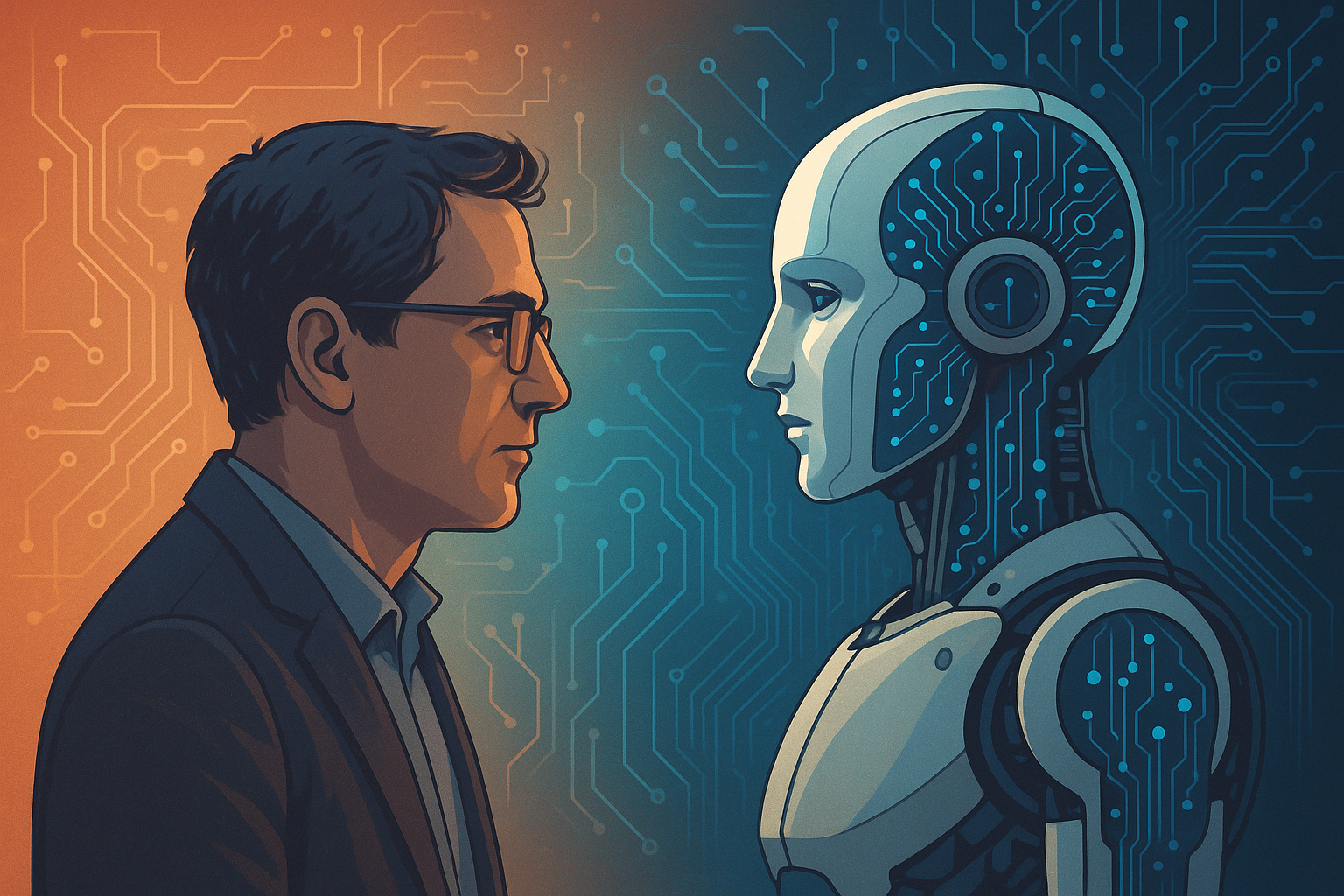
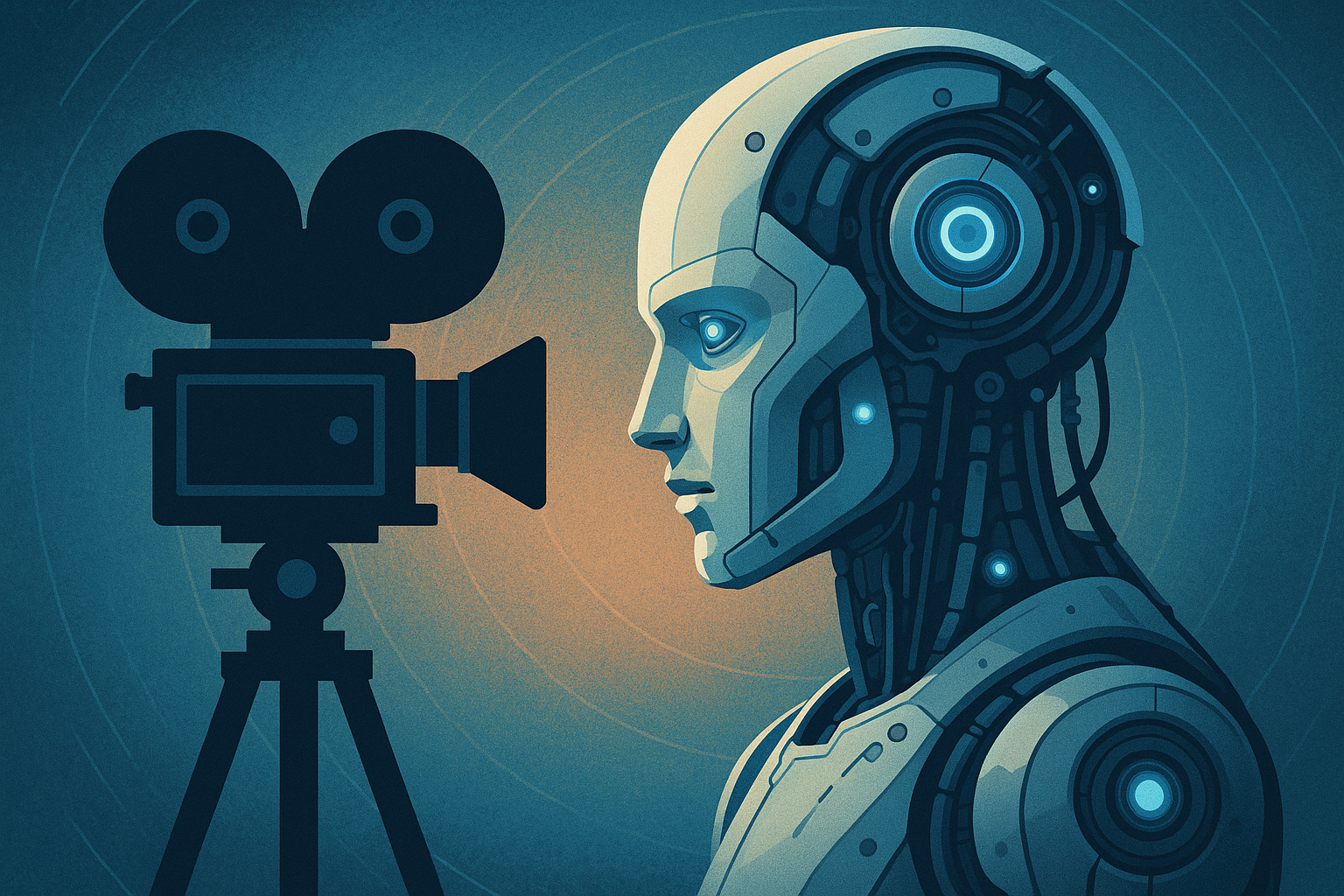
Artificial intelligence is learning to communicate in ways that feel more natural than ever. With its new Dessa AI voice model, Block is exploring a future where conversations with machines include laughter, hesitation, emotion, and the subtle details that make human speech so unique.
For a long time, interacting with a voice assistant has been a fairly predictable experience. You ask a question, wait for the system to process it, and receive an answer delivered in a polished but sometimes noticeably artificial voice. Even as speech technology has improved, there’s often been something missing from these interactions: the natural rhythm, spontaneity, and little imperfections that make everyday conversations feel authentic.
That may be starting to change. On October 23, 2026, Block, the financial technology company led by Jack Dorsey, introduced an experimental artificial intelligence system called Dessa. What immediately caught people’s attention wasn’t simply its ability to speak clearly, but the surprisingly human qualities of its voice. The system can laugh, hesitate, change its tone, and react while another person is still speaking, creating an experience that sometimes feels closer to a genuine conversation than a traditional exchange with a virtual assistant.
The Dessa AI voice model represents an interesting step forward in conversational technology, particularly because of the unusual way it was trained. Rather than relying on written language as the foundation of its intelligence, the researchers behind Dessa set out to explore what happens when an AI learns to communicate directly from human speech.

What Makes the Dessa AI Voice Model Different?
Developed by a research team within Block, Dessa is a speech-to-speech artificial intelligence model designed to communicate directly through audio. According to the company, it was trained from scratch using recorded human conversations, without written text or a pretrained language model. This approach differs from many conventional voice AI systems, which use speech recognition to convert spoken language into text before generating a response.
The distinction is more important than it might initially appear. When we communicate, our voices carry information that cannot always be captured accurately by written words. A brief pause might indicate uncertainty, a change in pitch can suggest excitement, and a quiet laugh can completely change the meaning of a sentence. By learning directly from audio, Dessa aims to understand and reproduce some of these subtle conversational characteristics.
Block’s demonstrations show the model responding with natural-sounding laughter, adjusting its speaking volume, and occasionally hesitating before continuing a thought. These details help make its speech feel less scripted, although the results are not consistently perfect. Some responses still sound awkward or unexpected, reminding us that this remains an experimental technology rather than a fully developed conversational companion.
Why Making AI Sound Human Is More Complicated Than It Seems
Creating a convincing artificial voice involves much more than teaching a machine to pronounce words correctly. Human conversations are rarely neat or perfectly organized. We interrupt each other, change our minds halfway through sentences, emphasize unexpected words, and react instinctively to what someone else says. Much of this happens without conscious effort, yet it plays an essential role in how we understand one another.
Traditional text-to-speech technologies have made remarkable progress in producing clear and pleasant voices, but natural conversation requires another level of sophistication. An AI must recognize not only the content of a message but also its timing and the way it is delivered. For example, the words “That’s great” can communicate genuine enthusiasm, polite indifference, or sarcasm depending entirely on the speaker’s tone.
The Dessa AI voice model explores this challenge by learning from the sounds and patterns of real conversations. Instead of treating spoken language as little more than an audible version of text, it approaches speech as a form of communication with its own structure, rhythm, and expressive qualities. This doesn’t mean Dessa understands emotions the way humans do, but its ability to imitate certain vocal behaviors could make interactions with artificial intelligence more comfortable and intuitive.
A Conversation That Doesn’t Stop When Someone Interrupts
One of Dessa’s most significant features is its support for full-duplex communication, a technology that allows the system to listen and speak simultaneously. Although the term sounds technical, the underlying concept is familiar to anyone who has ever had a normal conversation with another person.
Imagine explaining something to a friend while they occasionally respond with a quick acknowledgment, laugh at a funny detail, or interrupt to ask a question. Neither person needs to wait for a formal signal that it’s their turn to speak. The conversation flows naturally because both participants constantly listen and react to each other.
Many conventional voice assistants have historically struggled to recreate this experience, particularly when users interrupt an ongoing response. Dessa is designed to handle these situations more naturally, recognizing incoming speech while producing its own audio. This allows it to react to conversational changes without necessarily waiting for the other person to finish.
The technology could eventually make a meaningful difference in everyday applications. A customer service assistant might recognize when someone is confused and adjust its explanation, while an educational AI tutor could respond more naturally to questions raised in the middle of a lesson. For people who depend on voice-controlled technology, smoother interactions could also make digital tools easier and less frustrating to use.
Of course, Dessa isn’t the only system exploring simultaneous listening and speaking. Other AI researchers have been developing similar capabilities, but Block’s decision to build its model entirely around speech makes this project particularly noteworthy.
Powerful Voice AI Without Depending Entirely on the Cloud
Beyond its conversational abilities, Dessa is also attracting attention because of its reported computing efficiency. Block says the model was trained using a single NVIDIA GB200 NVL72 system and can run locally on sufficiently powerful consumer hardware, including a MacBook Pro equipped with Apple’s M4 Max chip or better.
If these claims hold up under independent testing, they could have meaningful implications for how advanced voice AI is deployed. Many sophisticated artificial intelligence services rely on remote servers to process requests, which introduces network dependencies and can increase operating costs. Running a voice model directly on a personal computer could potentially reduce delays, improve responsiveness, and give developers more flexibility when creating applications.
Local processing could also offer privacy advantages, especially for services that regularly handle sensitive conversations. However, those benefits would depend on how the software is designed and whether audio data remains on the device. Simply running an AI model locally doesn’t automatically guarantee that personal information is protected.
It’s also important to recognize that Block has not yet published comprehensive independent performance benchmarks for Dessa. Its hardware and efficiency claims are therefore encouraging, but broader testing will be necessary before drawing firm conclusions about its capabilities.
How Human-Like AI Voices Could Change Everyday Technology
The development of more expressive artificial voices opens up possibilities across several industries, many of which extend far beyond the virtual assistants we use today. In education, conversational AI could help students practice foreign languages or work through difficult subjects in a more interactive environment. Instead of listening to rigid explanations, students might be able to ask spontaneous questions and receive responses that adapt naturally to the conversation.
Customer support represents another potential application. Anyone who has spent time navigating an automated phone system knows how frustrating an inflexible conversation can become. More natural voice technology could allow businesses to create assistants that understand interruptions, recognize changes in conversational tone, and respond without forcing customers through a predefined sequence of questions.
There are also interesting opportunities in accessibility, entertainment, and video games. People who rely on synthetic speech might benefit from more expressive communication options, while game developers could eventually create characters capable of reacting to players through unscripted spoken interactions. Instead of selecting dialogue from a menu, players might simply speak and receive a response that feels appropriate to the moment.
These possibilities are exciting, but they remain potential applications rather than confirmed Dessa products. Turning impressive research demonstrations into dependable real-world services requires extensive development, safety testing, and careful consideration of how the technology behaves in unpredictable situations.
The Other Side of Realistic AI Voices: Privacy and Trust
As artificial voices become increasingly convincing, an important question emerges: how will we know when we’re speaking to a real person?
Voice cloning, fraudulent calls, and misleading recordings are already concerns in the world of artificial intelligence. Technology capable of reproducing natural laughter, hesitation, and emotional expression could make certain forms of deception even harder to recognize. A synthetic voice that sounds perfectly human might appear more trustworthy, particularly during conversations involving money, personal information, or urgent requests.
This doesn’t mean that realistic voice AI is inherently dangerous. The same technology that could potentially be misused can also improve accessibility, education, and digital communication. However, responsible development will require safeguards, transparency, and clear expectations about when an artificial intelligence system is being used.
Consent is another essential consideration, particularly when models are trained using recordings of human speech. Developers need to consider how conversational data is collected, what permissions are obtained, and how personal information is protected throughout the training process.
Block has acknowledged the importance of evaluating these risks by offering limited early access to AI safety researchers. Their findings could help identify potential problems before the technology becomes more widely available.
Ultimately, making AI sound human is only part of the challenge. Ensuring that people can trust the technology may prove just as important.
When Will Dessa Be Available to the Public?
Despite the attention surrounding the Dessa AI voice model, the technology is not yet available as a general consumer product. As of October 26, 2026, Block is presenting Dessa as a research preview, with public demonstrations providing the clearest look at its conversational capabilities.
The company has invited a limited group of AI safety researchers to explore the model, but a confirmed public release date has not been announced. Details about future developer access, pricing, downloadable model files, and broader availability also remain uncertain.
Anyone interested in following its development can visit Block’s official Dessa project page, where the company has shared information about the research and examples of recorded conversations.
For now, these demonstrations provide a promising introduction to the technology, although independent evaluations will be needed to establish how reliably Dessa performs across different speakers, languages, environments, and conversational situations.
The Future of AI Voices Is About More Than Perfect Speech
The introduction of Dessa highlights an interesting shift in artificial intelligence research. For years, improving voice technology largely meant making speech clearer, pronunciation more accurate, and responses faster. Those qualities remain important, but researchers are increasingly recognizing that convincing conversations depend on much more than technical precision.
Human communication is naturally imperfect. We pause, laugh, interrupt, hesitate, and change our tone without always realizing it. These behaviors give conversations personality and help us understand the intentions of the people we’re speaking with. By attempting to reproduce some of these characteristics, the Dessa AI voice model offers a glimpse into a future where interacting with technology could feel more natural and less mechanical.
There is still a long way to go, and the ability to imitate emotional expression shouldn’t be mistaken for genuine human understanding. Nevertheless, developments like Dessa suggest that the next generation of voice assistants may become better at adapting to the way people actually communicate rather than expecting people to adapt to machines.
Perhaps the most exciting part of this evolution isn’t that artificial intelligence is learning to sound more human. It’s that technology is gradually becoming better at accommodating the wonderfully unpredictable way humans speak to one another.