Buying a new iPhone is exciting, but let’s be honest: it is also expensive. Every year, Apple releases new models with better cameras, faster chips, brighter displays, and small design improvements. The problem is that not everyone wants, or needs, to spend the full price of a brand-new device.
That is where refurbished iPhones come in.
A refurbished iPhone can be a smart way to get an Apple device at a lower price, but it is also something that deserves a bit of attention. Not all refurbished phones are the same, and the real value depends on where you buy it, how it has been tested, the battery condition, and the warranty included.
So, how do refurbished iPhones actually work? And most importantly, are they really worth buying?
What Is a Refurbished iPhone?
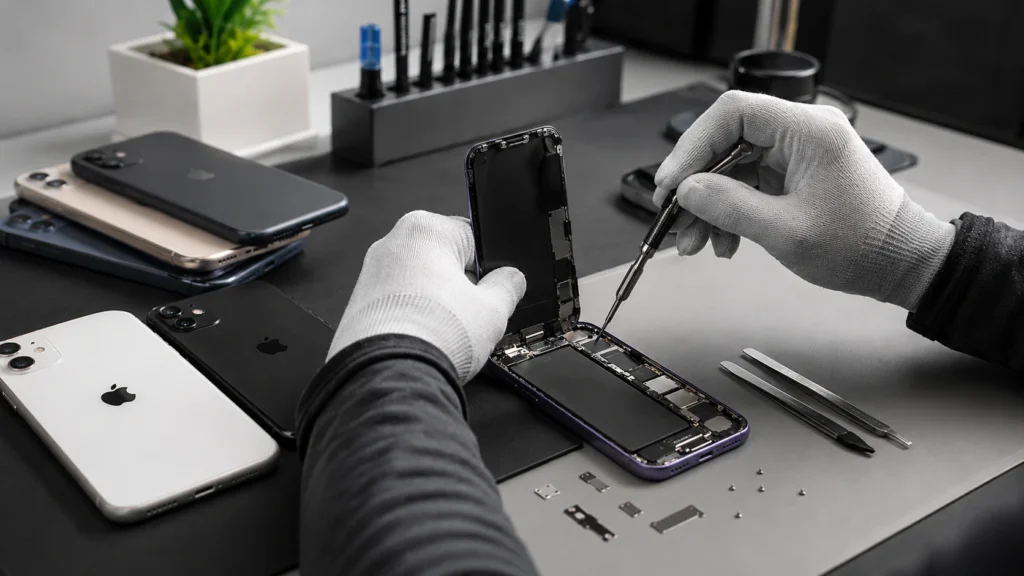
A refurbished iPhone is not simply a used phone being resold as it is. In theory, a refurbished device has been checked, tested, cleaned, repaired if necessary, and then put back on sale.
This can happen for several reasons. The phone may have been returned by a customer, traded in, used as a display unit, or previously owned and then restored by a professional seller. Before being sold again, it should go through a series of checks to make sure it works properly.
The important word here is “should.” A refurbished iPhone can be a great purchase, but the quality depends heavily on the seller and the refurbishment process.
Apple’s own Certified Refurbished products, for example, are tested, cleaned, and repaired with genuine Apple replacement parts when needed. Apple also states that refurbished iOS devices come with a new battery and outer shell, plus a one-year limited warranty. (Apple)
Refurbished vs Used: What Is the Difference?
This is one of the most common points of confusion.
A used iPhone is usually sold by a private person or reseller in the condition it is already in. It may work perfectly, but it may also have hidden problems, a weak battery, scratches, or parts that are not original.
A refurbished iPhone, on the other hand, should have been inspected and restored before being sold. The seller usually assigns it a condition grade, such as “excellent,” “very good,” or “good,” based mostly on cosmetic appearance.
In simple terms: a used iPhone is “as it is,” while a refurbished iPhone should be “checked and prepared for resale.”
That difference matters, especially when you are buying a device you want to keep for a few years.
How Does the Refurbishment Process Work?
A proper refurbishment process usually includes several steps.
First, the device is tested to check core functions such as the display, cameras, speakers, microphones, buttons, charging port, Face ID, Wi-Fi, Bluetooth, and cellular connection. Then the phone is cleaned, reset, and repaired if something does not work correctly.
The battery is one of the most important parts. Some sellers replace it only if it falls below a certain health percentage, while others may sell the phone with the existing battery if it still meets their minimum standard. Back Market, for example, says that smartphone batteries listed on its marketplace are checked and must meet at least 80% battery capacity, unless a higher battery option is selected.
This is why it is always worth checking the battery policy before buying. A cheap refurbished iPhone with a weak battery may not feel like a good deal after a few months of daily use.
Why Refurbished iPhones Can Be Worth It
The biggest advantage is obvious: price.
A refurbished iPhone usually costs less than a new one, especially if you choose a model that is one or two generations old. For many people, that is the sweet spot. You still get a modern design, strong performance, good cameras, iOS updates, and the Apple ecosystem, but without paying the full launch price.
Another advantage is sustainability. Buying refurbished helps extend the life of a device that might otherwise be wasted. It is a more responsible choice, especially in a market where smartphones are often replaced long before they truly stop being useful.
There is also the practical side. iPhones tend to age well. Apple supports its devices with software updates for several years, and even older models can remain fast and reliable for everyday use: messaging, browsing, photos, video calls, social media, banking apps, and streaming.
For someone who wants a good iPhone without needing the latest model, refurbished can make a lot of sense.
Where the Risks Are
That said, refurbished does not automatically mean “safe.”
The first risk is the battery. If the battery health is close to 80%, the phone may still work, but battery life could feel noticeably weaker compared to a new device. You might need to replace the battery sooner than expected.
The second risk is the quality of replacement parts. Some refurbished iPhones may have non-original screens, batteries, or other components. This is not always a disaster, but it can affect display quality, battery performance, Face ID reliability, water resistance, or long-term durability.
The third risk is warranty. A serious seller should clearly explain what warranty is included and how returns work. In the EU, second-hand goods bought from a professional seller are also covered by a legal guarantee, although in some countries the guarantee period can be reduced to no less than one year if this is clearly agreed at the time of purchase.
This is why buying from a reliable store matters much more than saving an extra small amount from an unknown seller.
What to Check Before Buying a Refurbished iPhone
Before buying, there are a few things you should always look at.
Check the battery condition or the seller’s battery policy. Ideally, look for a device with strong battery health or a seller that offers battery replacement options.
Check the warranty. A refurbished phone should come with clear protection, not vague promises.
Check the return policy. Even if the phone looks good on paper, you should have time to test it properly.
Check the cosmetic grade. “Excellent” usually means fewer visible signs of use, while “good” may include more scratches or marks. Cosmetic condition does not always affect performance, but it does affect the experience.
Check whether the iPhone is unlocked. You do not want to buy a phone tied to a carrier you cannot use.
Finally, check how long that model is likely to remain useful. Buying a very old iPhone may save money today, but it could become less convenient if software updates or battery performance become an issue sooner.
So, Are Refurbished iPhones Really Worth It?
Yes, refurbished iPhones can be absolutely worth it, but only when the price, condition, battery, and warranty make sense.
They are especially convenient if you want an iPhone but do not need the newest model. For example, choosing a recent refurbished iPhone instead of the latest release can give you a very similar everyday experience at a lower cost.
However, the cheapest option is not always the smartest one. A refurbished iPhone with poor battery health, unclear warranty, or questionable replacement parts can become frustrating very quickly.
The best approach is simple: buy from a trusted seller, check the battery policy, read the warranty terms, and avoid deals that seem too good to be true.
Final Thoughts
A refurbished iPhone is not a second-class iPhone. When properly restored and sold with a reliable warranty, it can be one of the smartest ways to enter or stay in the Apple ecosystem without overspending.
It gives you the same familiar iOS experience, access to Apple services, strong cameras, good performance, and a premium design, often at a much more reasonable price.
But the key is to buy carefully. Refurbished is convenient when it is transparent. You should know what you are getting, what has been tested, what battery condition you can expect, and what happens if something goes wrong.
In the end, a refurbished iPhone can be a very good deal. Not because it is cheap, but because it can offer the right balance between price, quality, reliability, and common sense.